
Uganda’s major government contracts, foreign-funded infrastructure projects and international procurement deals have come under repeated scrutiny over the years, raising questions about transparency, accountability and whether taxpayers are receiving value for money.
Since the National Resistance Movement (NRM) government came to power in 1986, Uganda has undertaken numerous large-scale projects involving foreign contractors, development loans, public-private partnerships, military procurement and energy investments. While several have delivered important infrastructure and services, others have attracted parliamentary investigations, audit queries and concerns about rising costs, procurement irregularities and the management of public funds.
The central question is whether some projects presented as international investments or development opportunities have, in certain cases, created loopholes through which public resources can be mismanaged or diverted.
Although such concerns do not establish that government officials or Members of Parliament have stolen public money, historical procurement controversies provide a basis for examining how contracts are awarded, how funds are spent and whether those responsible are held accountable.
CHOGM spending raises questions over public expenditure
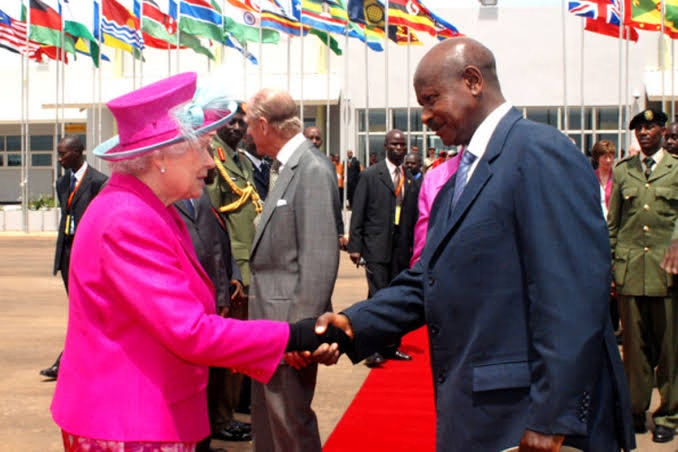
Uganda’s preparations for the 2007 Commonwealth Heads of Government Meeting (CHOGM) remain among the major public expenditure controversies of the NRM era.
The preparations involved spending on roads, hotels, security equipment and other facilities intended to support the international gathering.
Parliamentary scrutiny raised concerns about expenditure reportedly increasing from an authorised budget of approximately Shs270 billion to more than Shs500 billion. Questions were also raised about spending outside approved budgets, unauthorised commitments and variations in procurement costs.
The case illustrates the accountability risks associated with major international events, where tight deadlines and demands for rapid implementation can place pressure on procurement procedures.
A key issue in such projects is whether increases in expenditure were justified by additional work and legitimate requirements or resulted from weak controls and inadequate oversight.
Military procurement and the junk helicopter scandal
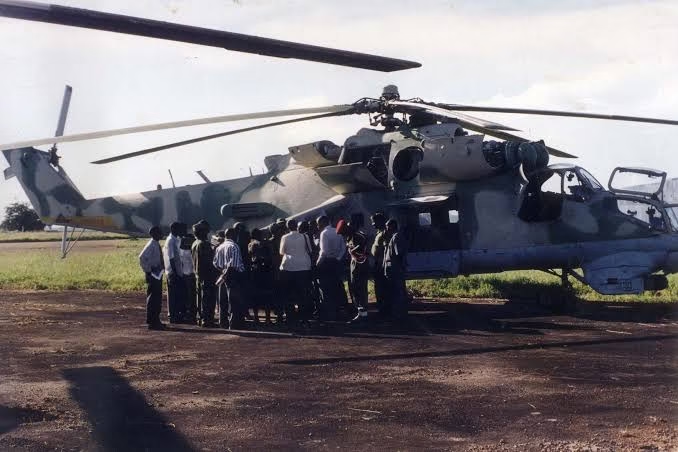
Uganda’s purchase of Mi-24 military helicopters in the late 1990s and early 2000s became another prominent procurement controversy.
Investigations and media reports questioned the condition and serviceability of some of the helicopters, raising concerns about the procurement process and the value received for public money.
The controversy highlighted the difficulties of scrutinising military expenditure, particularly where governments invoke national security to limit the disclosure of procurement information.
Military contracts involve specialised equipment and technical requirements, but those factors do not remove the need for independent inspections, documented payments and appropriate oversight.
The case remains an important historical example of why defence procurement should be examined beyond the headline contract value, with attention paid to the equipment delivered, its condition and the role of intermediaries.
Bujagali raises questions about energy contracts and tariffs
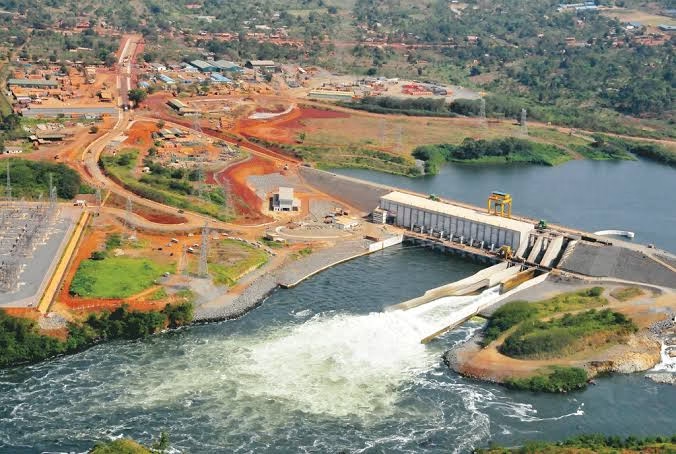
The Bujagali Hydropower Project has generated debate over electricity tariffs, tax exemptions, project costs and the financial arrangements governing payments to the project company.
In March 2023, Parliament adopted a committee report addressing an overpayment issue involving Bujagali Energy Limited. The report called for a forensic audit in connection with arrangements under which US$342 million was to be refunded to the government for overpaid fees.
The project again attracted parliamentary scrutiny in February 2025, when legislators raised questions about tariff calculations, tax waivers and the protection of electricity consumers.
Bujagali demonstrates that foreign investment and infrastructure development can deliver public benefits while still requiring close examination of contractual obligations and financial arrangements.
Investigators need to establish whether the agreed terms were followed, whether payments were correctly calculated and whether money identified for recovery was actually returned.
Railway project exposes concerns over consultants and procurement
Uganda Railways Corporation has also faced scrutiny over the management of public funds, railway assets and procurement arrangements.
A parliamentary report adopted in September 2026 raised concerns involving a Shs125 billion Spanish-funded project, including a Shs20.8 billion capacity-building component.
The reported findings included questions about missing railway wagons, disputed procurement arrangements, railway land and expenditure on foreign consultants and companies.
Such concerns raise an important question about development projects financed through international cooperation: how much of the investment translates into lasting local capacity, functioning infrastructure and measurable public benefits?
The answers depend on examining the contracts, consultancy deliverables, payments made, assets delivered and the outcomes of any subsequent investigations.
Road contracts and the risk of inflated costs
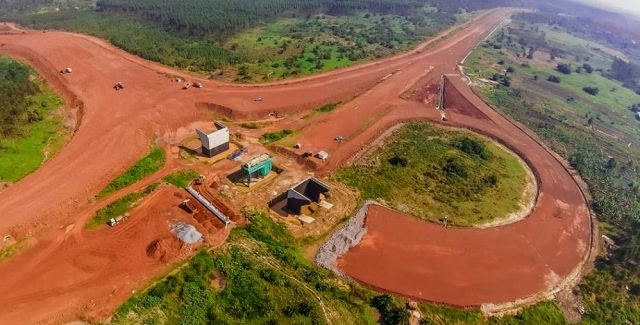
Road construction is another area where parliamentary scrutiny has highlighted questions about project costs and supervision expenditure.
In September 2025, Parliament’s Public Accounts Committee raised concerns about the reported costs of road rehabilitation projects, including a Shs13.4 billion allocation for a 1.37-kilometre road in Arua City and a reported cost of Shs4.9 billion per kilometre for a road in Mbarara.
The committee also questioned supervision costs that reportedly reached billions of shillings on some projects.
However, differences in road construction costs do not automatically establish inflation or corruption. Terrain, drainage requirements, the condition of existing roads, materials and other technical factors can affect the final price.
The appropriate response is to compare the original bills of quantities, tender prices, contract variations, inspection reports and completed works against the payments made.
Where unexplained discrepancies emerge, investigators should establish who approved the expenditure and whether the government suffered a financial loss.
Digital number plates and technology procurement
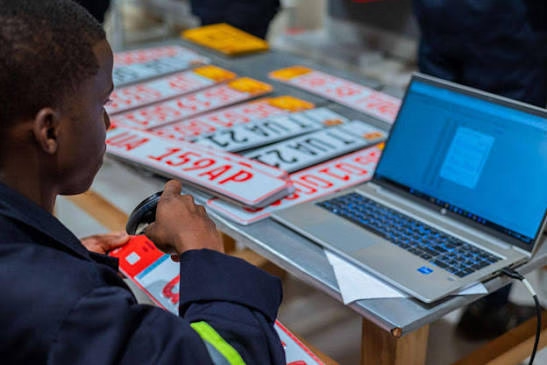
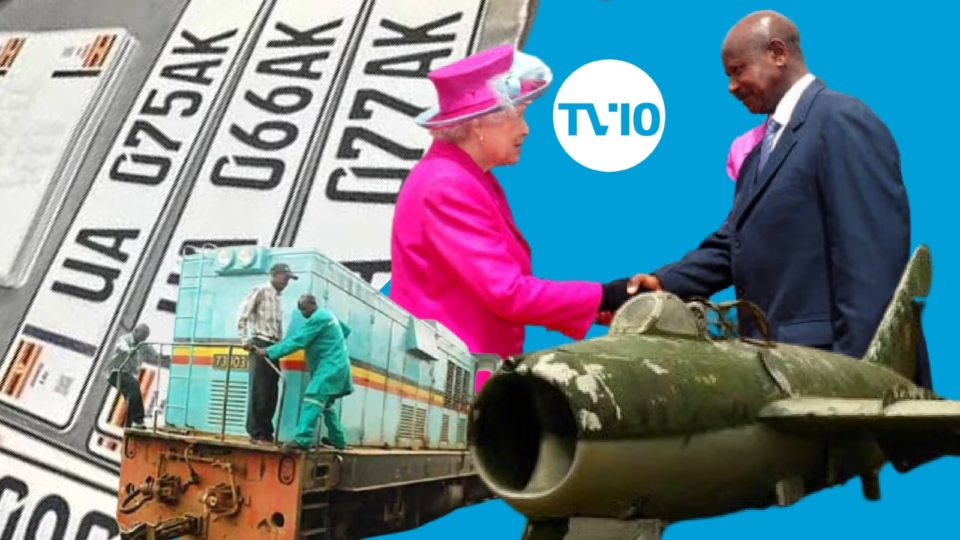
Uganda’s digital number plate project has faced questions over procurement decisions, implementation and the reliability of security features.
The concerns raise broader issues about how government selects international technology suppliers and verifies whether purchased systems meet the specifications agreed upon.
For such contracts, Parliament and other oversight bodies should examine the number of bidders, evaluation criteria, contract prices, maintenance obligations, software costs and the results of independent technical testing.
Technology contracts can be particularly difficult to assess because the public may not easily determine whether the government received the promised capabilities.
Nevertheless, technical complexity should not become an excuse for weak accountability. Where equipment fails to perform as contracted, the government should establish whether the supplier, implementing agencies or other parties bear responsibility.
Oil-sector spending and foreign investment

Uganda’s oil industry involves international companies, major infrastructure investments and contractual arrangements governing recoverable costs.
In March 2026, parliamentary scrutiny included questions about audits of costs claimed by oil companies. Figures presented in the discussion indicated that, out of US$3.4 billion in costs cited from a 2021 audit, US$2.9 billion had been approved for recovery while US$439 million had been disallowed.
These figures highlight the importance of independent verification in projects involving substantial foreign investment.
Under cost-recovery arrangements, companies may claim eligible expenditure in accordance with their agreements with the government. Auditors must determine whether those costs are properly documented, contractually eligible and correctly allocated.
Disallowed costs do not automatically amount to criminal theft. However, they demonstrate why the government must maintain the capacity to independently scrutinise expenditure and challenge unsupported claims.
How parliamentary approval can leave loopholes
Parliamentary approval is an essential part of public financial oversight. However, approval alone cannot guarantee that a project is properly priced, competitively procured or implemented as intended.
Potential risks include tender requirements designed in ways that favour a particular bidder, unexplained increases in contract costs, excessive consultancy fees, conflicts of interest and payments for work that has not been completed.
Development loans also require scrutiny beyond the amount announced publicly. Their interest rates, fees, repayment schedules, procurement conditions and long-term financial obligations can determine whether an apparently attractive investment ultimately benefits the country.
Tax exemptions granted to investors should similarly be examined to establish their legal basis, beneficiaries and impact on government revenue.
These are potential areas of abuse that require evidence-based investigation; they should not be treated as proof that every government contract or parliamentary approval involves corruption.
One of the most important issues in public procurement is whether individuals involved in approving or implementing projects have undisclosed interests in the companies receiving government money.
A credible investigation must establish the ownership of contractors and subcontractors, identify intermediaries and examine any documented financial or business relationships involving public officials.
It must also distinguish between MPs who support a project because they believe it serves the public interest and those who may have benefited improperly from its approval or implementation.
An MP’s vote for a loan, budget or government project is not, on its own, evidence of corruption. Establishing personal involvement requires evidence connecting the individual to a prohibited benefit, conflict of interest, improper intervention or other alleged wrongdoing.
Where such evidence exists, it should be tested against procurement records, financial documents, audit findings and the conclusions of the relevant investigative or judicial authorities.
Uganda’s oversight institutions hold important records that can help establish whether major projects have delivered value for money.
Parliamentary committees, including the Public Accounts Committee, the Committee on Commissions, Statutory Authorities and State Enterprises (COSASE), the Finance Committee and relevant sectoral committees, can provide information about project approvals, expenditure and recommendations for corrective action.
The Office of the Auditor General provides another important source of evidence through financial and compliance audits, while the Public Procurement and Disposal of Public Assets Authority oversees public procurement rules and compliance.
The Inspectorate of Government and law enforcement agencies may investigate suspected corruption, abuse of office and related offences where the evidence warrants further action.
A systematic investigation should document each project’s original contract value, financing source, procurement process, implementing agency, contractors, payments, audit findings and final accountability outcome.
It should also establish whether recommended recoveries were completed, officials were sanctioned, contracts were terminated or cases resulted in prosecution or court judgments.
Uganda’s procurement controversies raise a broader question about the effectiveness of the systems intended to protect public resources.
Major government projects are not inherently corrupt, and foreign contractors are not automatically evidence of wrongdoing. International expertise, development financing and public-private partnerships can play an important role in national development.
The problem arises when procurement decisions cannot withstand scrutiny, public money is spent without adequate documentation, contractual obligations are not enforced or audit recommendations are ignored.
For a country seeking to expand infrastructure, improve public services and attract investment, transparency is not merely an administrative requirement. It is essential to public confidence and the responsible management of national resources.
The challenge, therefore, is to move beyond political accusations and establish what the documentary evidence shows: who approved each deal, who received the money, what was delivered, whether the costs were justified and what happened when irregularities were identified.
Ultimately, the test of public accountability is not how many projects government announces or how many contracts Parliament approves. It is whether those projects deliver the promised public benefits, whether public funds are properly accounted for and whether anyone found responsible for wrongdoing faces the consequences provided for under the law.