
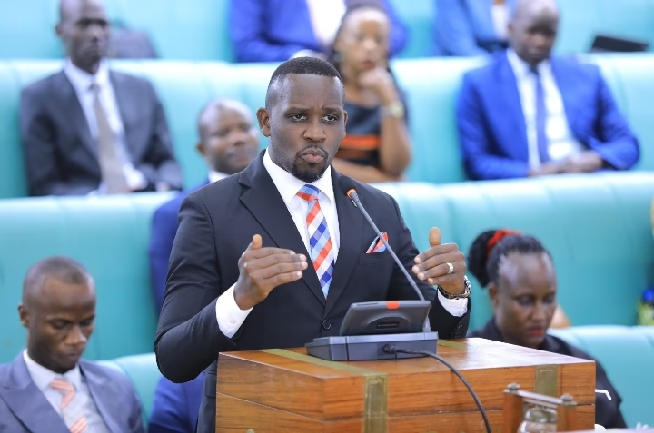
Leader of the Opposition in Parliament Joel Ssenyonyi has called for an audit of the Lubowa International Specialised Hospital project, citing concerns over public funds committed to the facility and the repeated difficulties faced by MPs seeking to inspect the construction site.
Ssenyonyi said the Opposition will push for an audit to establish how funds allocated to the project have been used and to assess the progress of construction.
His remarks come after Ssenyonyi and members of his Shadow Cabinet were reportedly denied access to the hospital construction site during an oversight visit, despite a written directive from Health Minister Dr Chris Baryomunsi authorising the visit.
The legislators had notified Finasi-ISHU Construction SPV Limited, the company involved in the project, of their intention to inspect the facility. However, when they arrived on September 16, the main gate was reportedly locked and they were unable to enter.
Ssenyonyi has questioned how Parliament can effectively exercise its oversight role over a project involving substantial public financing when lawmakers are unable to independently access the site.
The Lubowa hospital has faced scrutiny for years over its cost, construction delays and the amount of money released to the project. Parliament approved government guarantees and financing of about $379.7 million for the project.
In its audit covering the financial year ended June 2024, the Auditor General raised concerns over payments made using milestone completion certificates that were not adequately supported. The audit also reported that government engineers had at one point certified only 23 per cent of the works despite higher amounts having been disbursed.
The project has also continued to attract questions in Parliament. During consideration of the 2026/27 national budget, Ssenyonyi questioned continued funding for the hospital, while government officials reported that construction had reached about 75 per cent.
Ssenyonyi’s latest comments also come amid his broader call for accountability in government spending.
“Nobody is above the law—not even the President. If anybody commits an offence, they should face the law,” Ssenyonyi said, according to the statement shared by NTV.
He cited Article 21 of the Constitution, which provides for equality before and under the law, arguing that public officials should be held accountable regardless of their position.
The latest dispute over Lubowa has therefore renewed questions about parliamentary oversight of major government projects, particularly those financed substantially with public funds.