


Uber has announced that it is ending its ride-hailing operations in Uganda, bringing its decade-long journey in the country to an unexpected close.
The company’s services in Uganda are set to come to an end on September 2, 2026, a decision that is likely to affect both drivers who earned income through the platform and passengers who regularly depended on it for transportation.
Uber first entered the Ugandan market in June 2016, starting its operations in Kampala. Since then, the platform has become a familiar part of everyday transport for many Ugandans, particularly people looking for an easy way to request a ride using their phones.
For drivers, Uber also opened another avenue to earn a living, with many turning to ride-hailing as either a full-time job or a way of supplementing their income.
The company says its decision to leave Uganda is part of a wider business move and is not a complete withdrawal from Africa. Uber is also winding down its operations in Nigeria, while maintaining its presence in other markets across Sub-Saharan Africa.
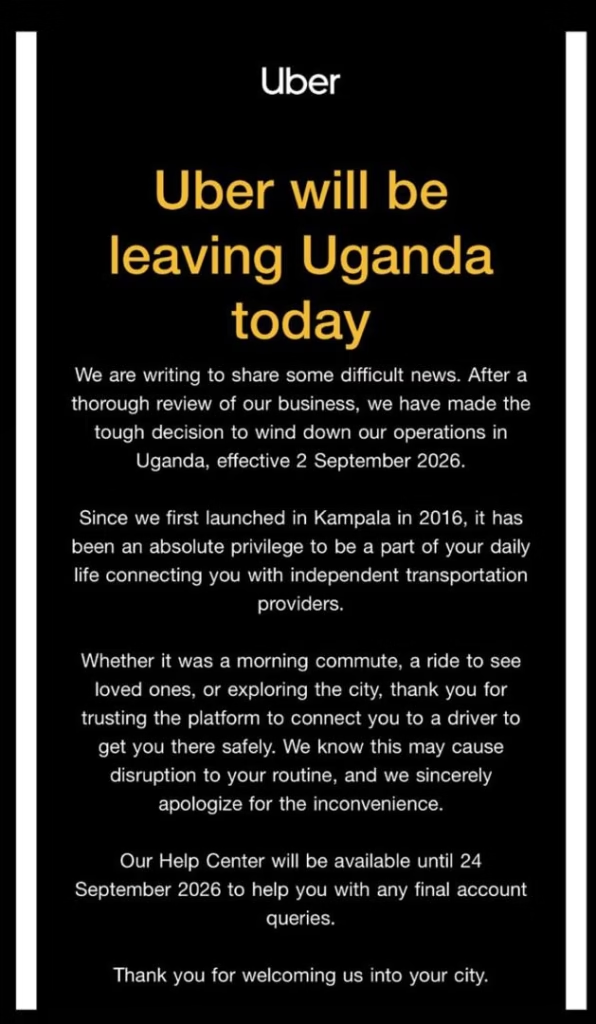
The announcement has nevertheless come as a surprise to many people who have watched the ride-hailing industry grow significantly since Uber’s arrival.
With Uber now preparing to leave, attention is likely to shift to the other companies operating in Uganda’s increasingly competitive transport market. The change could give existing competitors an opportunity to attract Uber’s former drivers and customers.
For passengers, the immediate question will be where to turn for affordable and convenient rides. For drivers, the bigger concern may be how the exit will affect their daily earnings and whether alternative platforms can provide similar opportunities.
Uber’s ten-year stay has left a noticeable mark on Uganda’s transport sector. Its departure therefore represents more than the closure of a business—it signals a new phase for an industry that has changed considerably since app-based ride-hailing first became popular in the country.
As the company winds down its services, both drivers and passengers will now have to adjust to a transport market without one of its most recognisable names.