

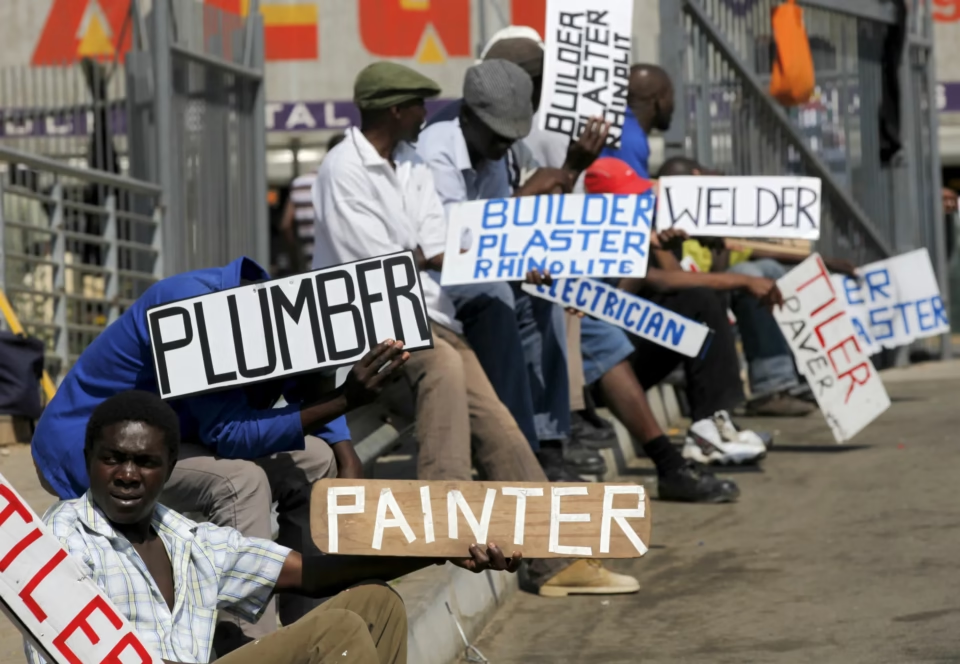
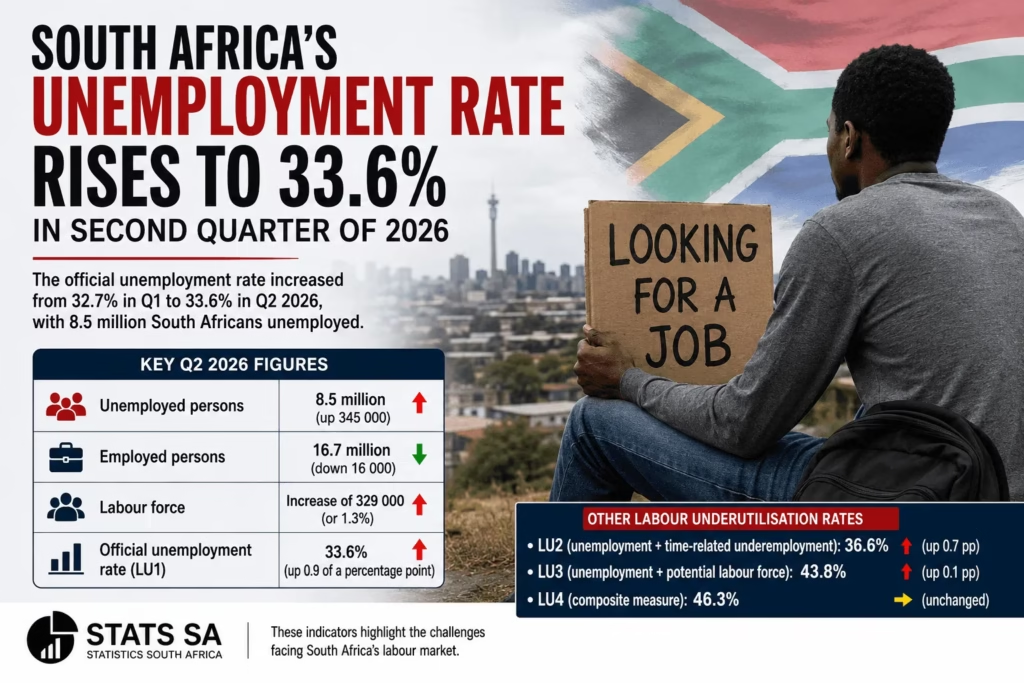
JOHANNESBURG, South Africa — South Africa’s unemployment crisis has deepened, with the official unemployment rate rising to 33.6% in the second quarter of 2026, up from 32.7% in the first quarter, according to the latest figures from Statistics South Africa.
The latest figures mean that about 8.5 million people are now unemployed, adding fresh pressure on a labour market that has struggled to create enough jobs for the country’s growing working-age population.
The worsening unemployment figures have also reignited debate over the role played by foreign-owned businesses and migrant entrepreneurs in South Africa’s economy.
In recent years, tensions over undocumented migration and claims that foreigners are taking jobs and business opportunities from South Africans have contributed to growing anti-immigration sentiment. In some areas, foreign-owned shops and businesses have faced protests, threats and pressure to close.
Some commentators now argue that the closure or departure of foreign-owned businesses could have unintended consequences for local communities, particularly where those businesses provided employment and supported supply chains.
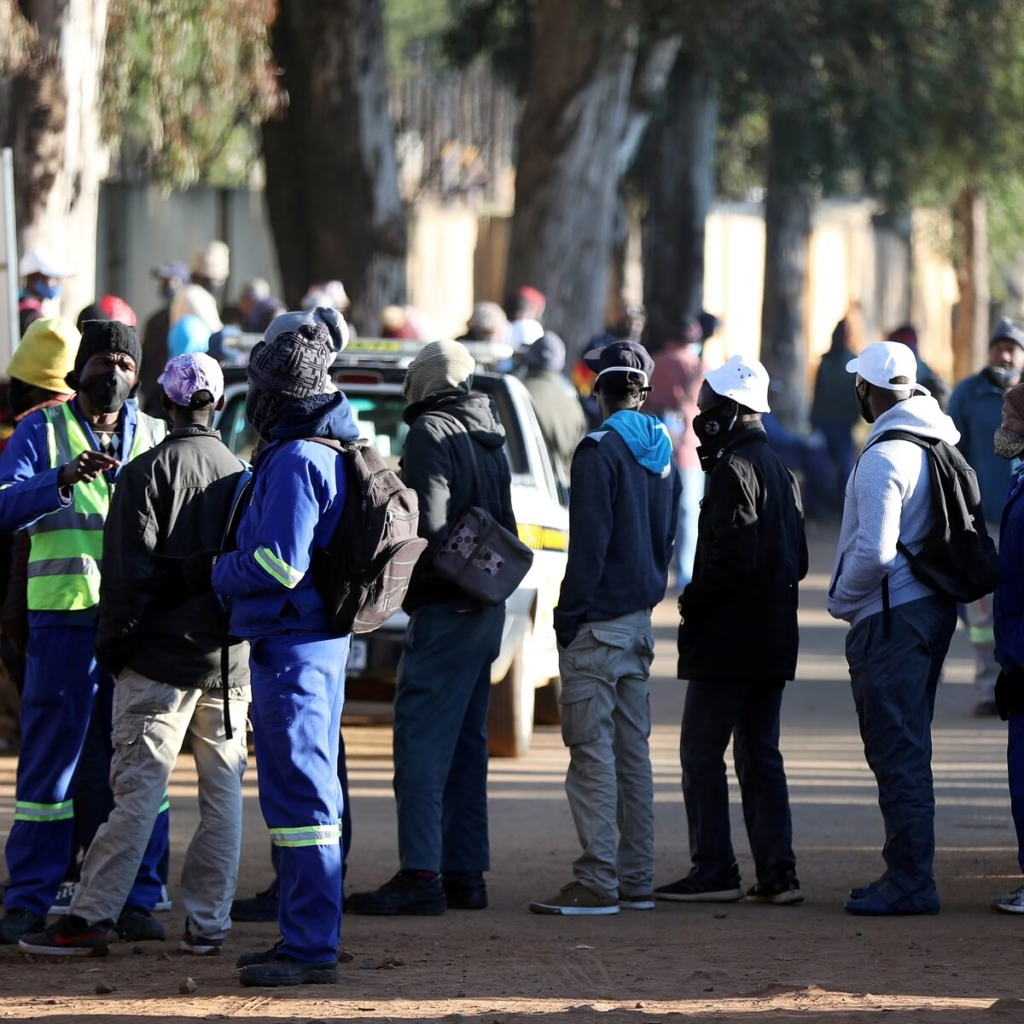
However, there is no evidence that the rise in unemployment to 33.6% was caused by the departure of foreign business owners alone. South Africa’s unemployment crisis is longstanding and has multiple drivers, including weak economic growth, declining employment in some sectors and structural problems in the labour market.
The latest statistics show just how serious the challenge has become. South Africa had already recorded 8.1 million unemployed people and an unemployment rate of 32.7% in the first quarter of 2026.
The new figures are therefore likely to intensify calls for policies that encourage investment, protect businesses, expand employment opportunities and address the country’s deep structural unemployment.
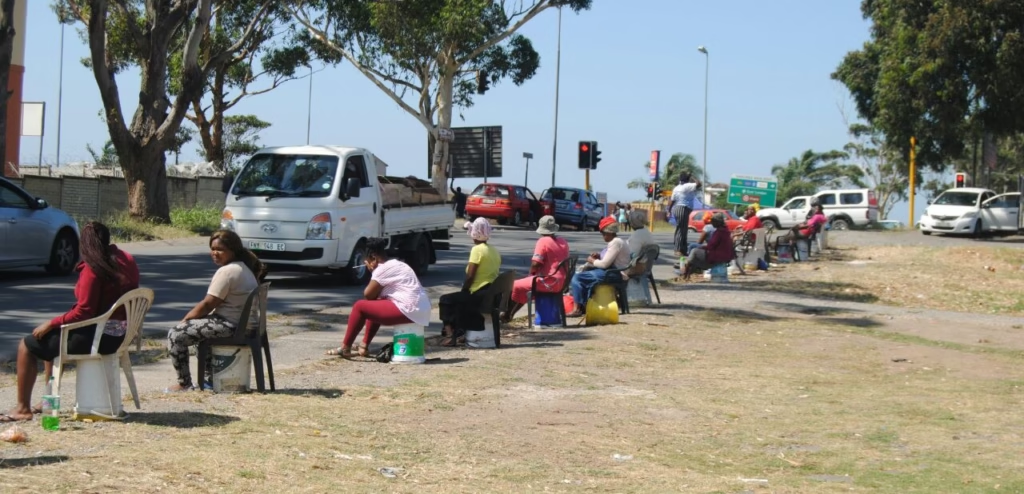
For critics of anti-immigrant economic policies, the latest numbers provide another reason to question whether driving entrepreneurs and businesses out of the country is the right approach.
For supporters of tighter immigration controls, however, the unemployment figures underline the urgency of ensuring that South African citizens have greater access to jobs and economic opportunities.
What is increasingly clear is that South Africa faces a difficult economic balancing act: creating jobs for millions of unemployed citizens while maintaining an environment in which businesses — whether locally or foreign-owned — can invest, operate and employ people.
The latest unemployment figures have therefore become more than just an economic statistic. They are likely to fuel a wider national debate over immigration, entrepreneurship, job creation and the future of South Africa’s labour market.