

President Yoweri Museveni has thrown his support behind the planned Dangote East Africa Petroleum Refinery in Lamu, Kenya, but says Uganda will not immediately invest in the project until questions surrounding the proposed Tanga refinery in Tanzania are resolved.
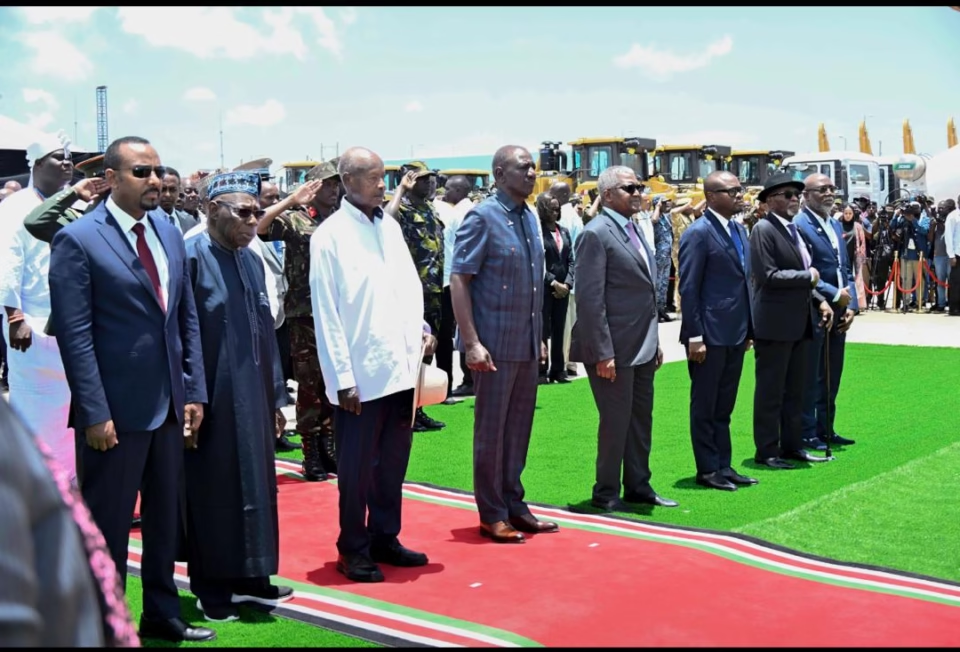
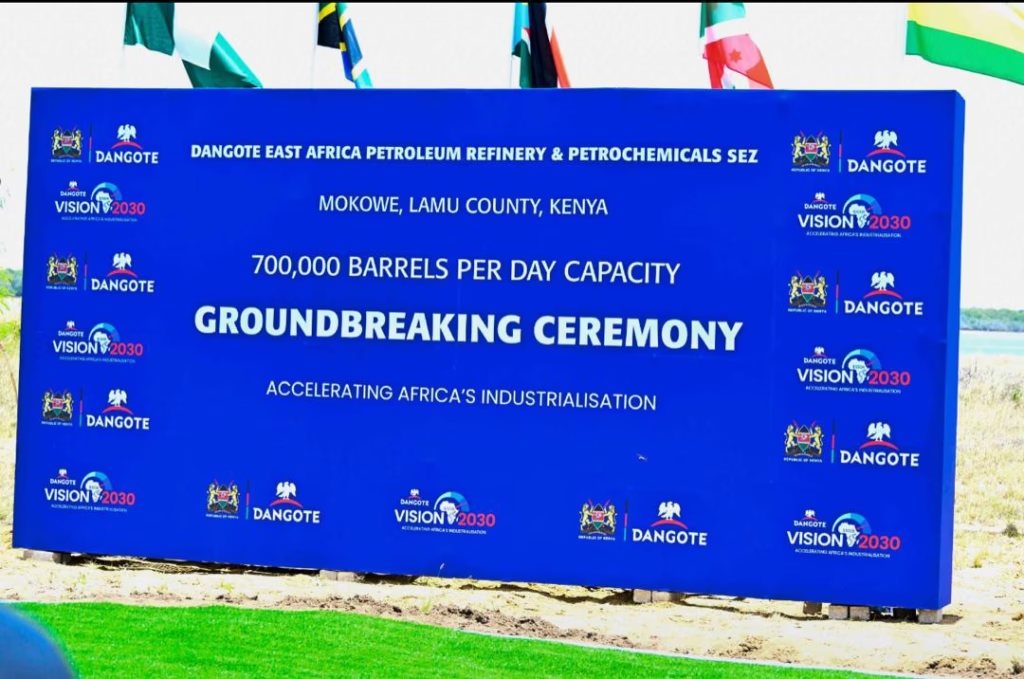
Museveni made the remarks on Wednesday, September 30, during the groundbreaking ceremony for the Dangote East Africa Petroleum Refinery in Lamu County, where he joined Kenyan President William Ruto and Nigerian industrialist Aliko Dangote.
The proposed refinery is expected to process up to 700,000 barrels of crude oil per day and supply petroleum products to Kenya and other markets across East Africa.
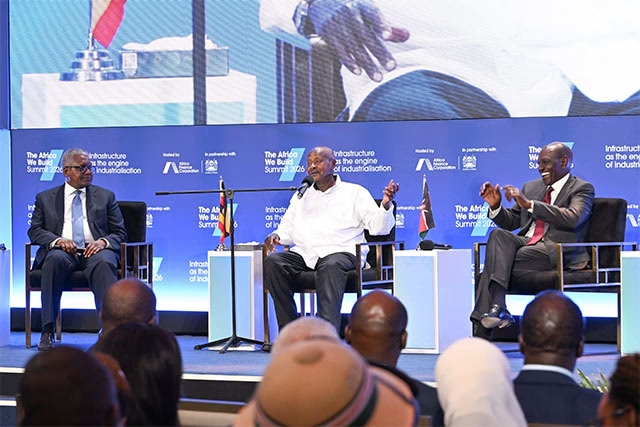
Museveni said Uganda supports the Lamu project because it fits into the wider regional goal of adding value to Africa’s natural resources instead of exporting raw materials.
“I support this refinery but I will not invest yet. I want to discuss with Samia and His Excellency Ruto to find out what happened to that refinery of Tanga, what were the problems so that we harmonize, but otherwise I really support this.”
His remarks bring the future of the Tanga refinery project back into the regional energy debate, particularly as Uganda continues to pursue its own refinery plans in Hoima.
President William Ruto, meanwhile, credited Museveni with helping push the idea of regional petroleum processing.
Ruto thanked the Ugandan leader for what he described as his contribution to the vision that eventually led to the Lamu refinery project.
“When we sat down with Aliko Dangote, it was your vision that brought us this far. Mzee, we don’t take your vision for granted. You are the one who pushed us,” Ruto said.
Ruto also linked the project to Africa’s broader push to move away from exporting raw materials and instead establish industries that process resources locally.
Dangote said the Lamu refinery had become one of the fastest major projects launched by his group, describing it as the second-fastest project after the fertiliser plant in Gode, Ethiopia.
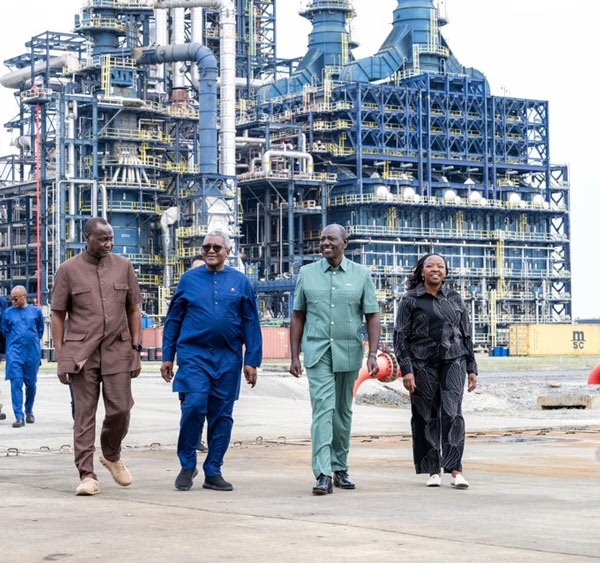
“To be honest, before May, I had never heard of Lamu. The Dangote East Africa Petroleum Refinery is also the second-fastest project we’ve launched, after the fertilizer plant in Gode, Ethiopia,” Dangote said.
The project is expected to take about 40 months to construct, with completion targeted around 2030.
Despite supporting the Kenyan project, Museveni maintained that Uganda’s plans for a refinery in Hoima remain on course.
Uganda has previously proposed a refinery with a capacity of between 60,000 and 120,000 barrels per day, intended to supply the domestic market and petroleum-consuming countries in the region.
Museveni has argued that the East African market is large enough to support more than one refinery, particularly as demand for petroleum products continues to grow.
The Lamu project therefore adds another major facility to an emerging regional petroleum network that includes Uganda’s Hoima plans and the previously proposed Tanga refinery.
Museveni also used the occasion to praise Dangote’s evolution from an importer into a major African industrialist.
He described Dangote as an example of the kind of African entrepreneurship and value addition needed to transform the continent’s economies.
Museveni has repeatedly advocated for African countries to process their own raw materials rather than exporting them and importing finished products at higher costs.
He also welcomed the Lamu project as part of what he described as Africa’s movement towards greater industrialisation.
The Lamu refinery could significantly reshape the East African petroleum market if completed as planned. Its proposed capacity would make it one of the largest petroleum-processing projects on the continent, with products such as petrol, diesel and jet fuel expected to serve Kenya and neighbouring countries.
For Uganda, however, the project raises a strategic question over how the region’s different refinery proposals will coexist.
Museveni’s decision to hold off on investment in Lamu until he consults Ruto and Tanzanian President Samia Suluhu Hassan over the stalled Tanga proposal suggests that regional coordination remains a key consideration.
The development also comes as Uganda advances its oil production plans and prepares for crude exports through the East African Crude Oil Pipeline, making refinery capacity and regional petroleum infrastructure increasingly important to East Africa’s energy strategy.