


By Cathy Mirembe
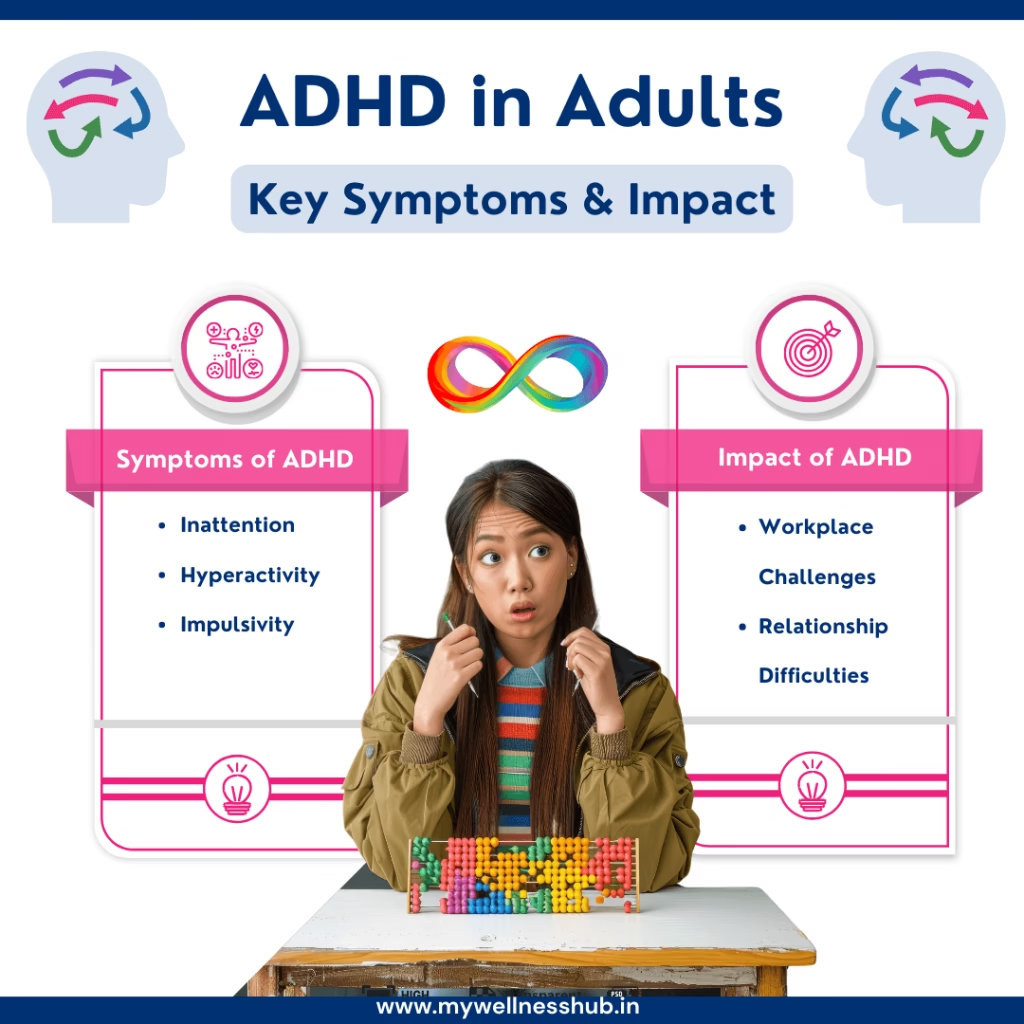
Attention Deficit Hyperactivity Disorder (ADHD) is a multifaceted neurodevelopment disorder that affects millions of children and adults worldwide. Characterized by symptoms of inattention, hyperactivity and impulsivity ADHD can have a profound impact on an individual’s daily life, relationships and overall well-being.

One of the primary challenges of ADHD is it’s complex symptomatology. Individuals with ADHD may exhibit symptoms of inattention such as difficulty paying attention, following instructions or completing tasks. Hyperactivity symptoms may include excessive fidgeting, restlessness or feeling constantly “on the go” Impulsivity symptoms can manifest as impulsive behaviours such as interrupting others blurting out answers or acting without thinking. These symptoms can vary in severity and impact daily life, making it essential to seek professional diagnosis and treatment.
Research suggests that ADHD is a neurodevelopmental disorder influenced by a combination of genetic environmental and brain structure and function, particularly in the prefrontal cortex and basal ganglia have been linked to ADHD. Environmental factors such as prenatal exposure to tobacco smoke, premature birth or exposure to toxins may also contribute to the development of ADHD.
Fortunately, effective treatment options are available to manage ADHD symptoms. Medication such as stimulants, non-stimulates or antidepressants can help alleviate symptoms. Behavioral therapy including behavioral modification or social skills training can also be beneficial. Lifestyle changes such as regular exercise, a healthy diet, stress management and sufficient sleep can further support symptom management.

Accomodations and support are crucial for individuals with ADHD. In educational settings individualized education plans (IEPs) or Section 504 plans can provide necessary support. In the workplace reasonable accomodations such as flexible work arrangements or assistive technology can help individuals with ADHD succeed. Mental health support including counseling therapy or support groups is also essential for addressing related mental health concerns.
ADHD is a complex neurodevelopmental disorder that requires comprehensive understanding, diagnosis and treatment. By recognizing the complexities of ADHD, we can provide effective support and accommodations enabling individuals with ADHD to thrive in all aspects of life. As research continues to uncover the intricacies of ADHD, it is essential that we promote awareness, reduce stigma and foster a supportive environment for individuals with ADHD.