

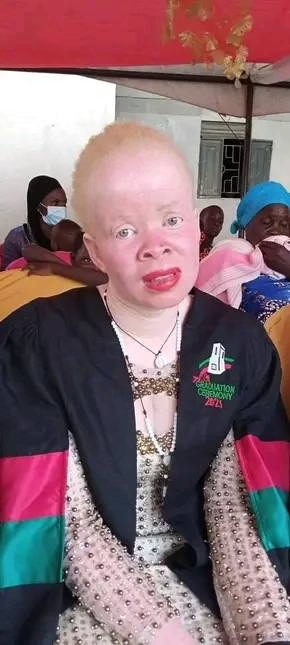
Albinism is a genetic condition that affects the production of melanin, which gives color to the skin, hair, and eyes. It is not a disease, but rather a congenital condition that people are born with.

Here are some key facts about albinism:
- Genetic condition: Albinism is caused by a mutation in one of several genes that code for melanin production.
- Not contagious: Albinism is not infectious and cannot be spread from person to person.
- Present at birth: People with albinism are born with the condition.
- Affects skin, hair, and eyes: Albinism affects the production of melanin in the skin, hair, and eyes, leading to characteristic physical features.
- Vision impairment: Many people with albinism experience vision impairment, including sensitivity to light, blurred vision, and increased risk of eye problems.
It’s essential to promote awareness and understanding of albinism to combat stigma and discrimination against people with this condition.

RITUALS, SUPERSTITION, STIGMA AND VIOLENCE
Unfortunately, in some cultures, albinism is associated with superstition, stigma, and even violence. Here are some examples of harmful rituals and practices:
- Human sacrifice: In some African countries, people with albinism have been murdered for their body parts, believed to possess magical powers.
- Witchcraft accusations: In Tanzania and other countries, people with albinism are often accused of being witches or having supernatural powers.
- Ritual killings: In some cultures, people with albinism are killed as part of ritual ceremonies, believed to bring good fortune or prosperity.
- Organ trafficking: There have been reports of people with albinism being targeted for organ trafficking, with their body parts sold on the black market.

These harmful practices and rituals are based on misinformation, superstition, and stigma. It’s essential to promote education, awareness, and acceptance to protect the rights and dignity of people with albinism.
Organizations like the United Nations and the Albinism Society of Tanzania are working to:
- Raise awareness: Educate communities about albinism, its causes, and its effects.
- Promote inclusion: Encourage acceptance and inclusion of people with albinism in society.
- Protect rights: Advocate for the rights and protection of people with albinism.
Let’s work together to create a more inclusive and accepting world for everyone!