
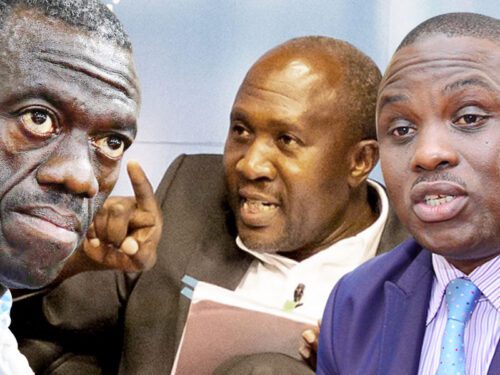
The Forum for Democratic Change (FDC) party is embroiled in a bitter power struggle, with two factions vying for control. The Najjanankumbi faction, led by Secretary General Nathan Nandala Mafabi, has rejected the declaration by the Katonga faction that dissolved the party. Mafabi’s statement highlights the illegitimacy of the Katonga faction’s actions, emphasizing that the FDC is a registered party with the Electoral Commission of Uganda and that only authorized office bearers can call party meetings.
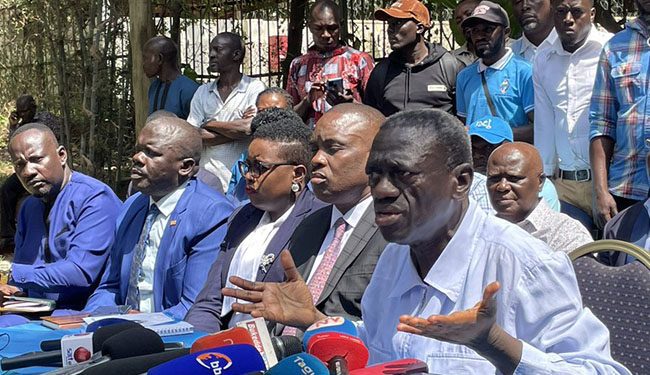
Mafabi’s scathing attack on the Katonga faction, particularly Lukwago Erias and Wasswa Biriggwa, reveals a deep-seated animosity between the two groups. He dismisses their meeting as a gathering of “attention-seeking, like-minded, disgruntled rabble-rousers” and urges the public to ignore their “acts of theatrics.” This rhetoric suggests a personal vendetta against Lukwago, whom Mafabi accuses of incompetence and liability for the Kiteezi tragedy.
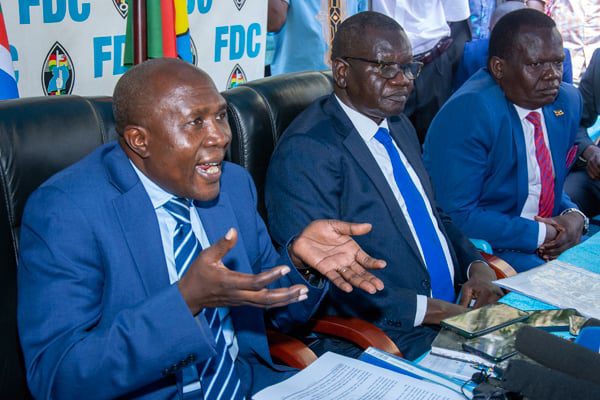
The power struggle within the FDC reflects a broader crisis of leadership and legitimacy within the opposition party. The Katonga faction’s decision to dissolve the party, citing their constitution, raises questions about the party’s internal democracy and decision-making processes. Mafabi’s response, however, also raises concerns about his own commitment to democratic principles and his willingness to engage in dialogue with dissenting voices.
The FDC’s internal conflicts have significant implications for Uganda’s political landscape. As one of the main opposition parties, the FDC’s disarray undermines its ability to effectively challenge the ruling National Resistance Movement (NRM). The party’s mobilization drive across the country, including the upcoming event in Jinja, may be an attempt to reassert its relevance and unity. However, without addressing the underlying issues driving the power struggle, the FDC risks further fragmentation and decline.

Ultimately, the FDC’s crisis highlights the need for robust internal democracy, inclusive decision-making, and effective leadership within opposition parties. As Uganda approaches future elections, the opposition’s ability to present a united and credible challenge to the NRM will depend on its capacity to resolve internal conflicts and articulate a compelling vision for the country’s future.