

By Cathy Mirembe
Obsessive-Compulsive Disorder (OCD) is a chronic and debilitating mental health condition that affects millions of people worldwide. Despite its prevalence, OCD remains shrouded in misconception and stigma. This essay aims to provide an in-depth examination of OCD, its symptoms, causes, and treatment options, with the goal of promoting awareness and understanding.
One of the primary challenges in understanding OCD is its complex symptomatology. Individuals with OCD experience recurring, intrusive thoughts, ideas, or urges, known as obsessions, which trigger intense anxiety and distress. These obsessions often revolve around themes of contamination, harm, or symmetry, and can be extremely distressing. In an attempt to alleviate this anxiety, individuals with OCD engage in repetitive behaviors or mental acts, known as compulsions. These compulsions can take many forms, including excessive cleaning, checking, counting, or repeating certain words or phrases.
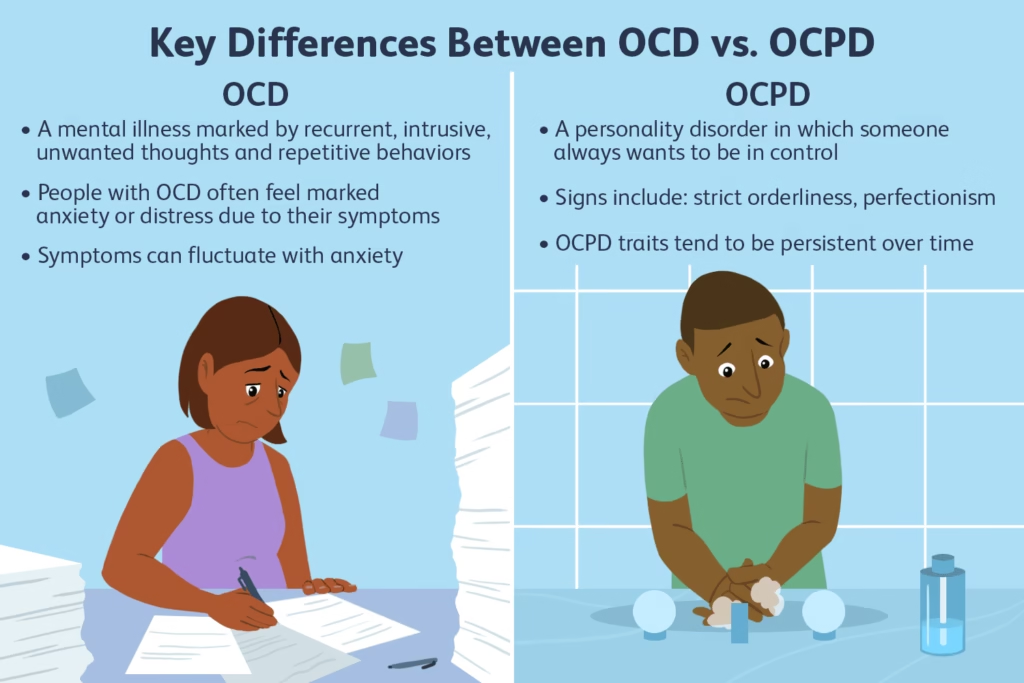
Despite the seemingly “ritualistic” nature of these behaviors, OCD is not about being “neat” or “organized.” Rather, it is a serious mental health condition that can significantly impair daily functioning, relationships, and overall quality of life. Individuals with OCD often experience significant distress, anxiety, and shame, leading to social isolation, decreased productivity, and increased risk of comorbid mental health conditions.
The exact causes of OCD remain unclear, but research suggests that it is a complex interplay of genetic, environmental, and neurobiological factors. Studies have implicated abnormalities in brain regions such as the orbitofrontal cortex, anterior cingulate cortex, and basal ganglia, as well as imbalances in neurotransmitters such as serotonin and dopamine. Additionally, traumatic events, stress, and learning behaviors can contribute to the development and maintenance of OCD symptoms.
Fortunately, effective treatment options are available for OCD. Cognitive-Behavioral Therapy (CBT), particularly Exposure and Response Prevention (ERP) therapy, has been consistently shown to be highly effective in reducing OCD symptoms. ERP involves gradually exposing individuals to situations or stimuli that trigger obsessions, while preventing them from engaging in compulsions. Medications, such as selective serotonin reuptake inhibitors (SSRIs), can also be effective in reducing symptoms, particularly when combined with CBT.
OCD is a complex and multifaceted condition that requires compassion, understanding, and evidence-based treatment. By promoting awareness and education, we can work to reduce stigma and encourage individuals to seek help. With effective treatment and support, individuals with OCD can learn to manage their symptoms, regain control over their lives, and achieve improved mental health and well-being.