

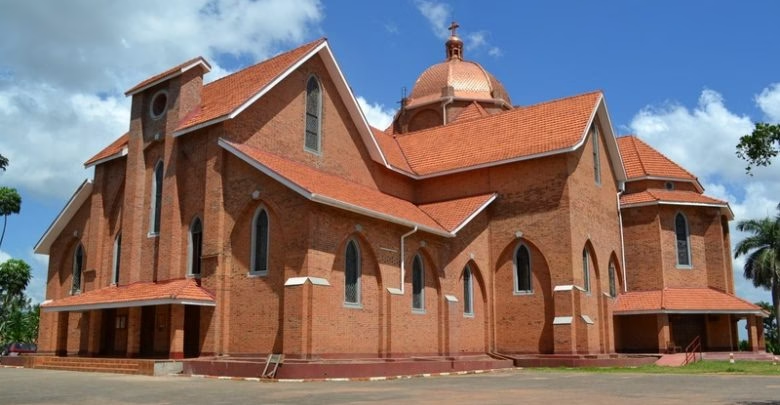
A dispute has emerged between Namirembe Cathedral Church and a school for the deaf located next to Namirembe Infant School, following the church’s decision to have the institution vacate land it has occupied for decades under a 49-year lease agreement that expired in 2013.
The development has raised concerns about the future of deaf learners who depend on the institution for education, specialised learning support and social development, particularly amid claims that a businessperson has expressed interest in acquiring or using the contested land.
According to the school’s account, the land was initially provided by Namirembe Cathedral Church under a lease arrangement that allowed the institution to operate for 49 years. However, after the agreement expired in 2013, the school says it made several attempts to engage the church over renewal of the lease but received no meaningful response.
The school now faces eviction after being informed that it must vacate the premises, bringing uncertainty to an institution that has served learners with hearing disabilities for years.
The circumstances surrounding the eviction have attracted further attention following information from some sources indicating that a businessperson is interested in the land. Although the nature of the alleged interest and any arrangements involving the prospective investor remain unclear, the claims have raised questions about whether commercial interests could be influencing the decision to reclaim the property.
This development puts the church under scrutiny, particularly over whether the school was given sufficient opportunity to negotiate a lease renewal or explore alternative arrangements before being instructed to leave.
The eviction also raises serious concerns about the fate of the learners. Relocating a school for deaf children is not simply a matter of transferring classrooms and school equipment. Such an institution requires specialised facilities, trained personnel and an environment that supports communication and inclusive learning.
An abrupt displacement could interrupt the education of children, affect their learning progress and place an additional financial and logistical burden on parents who may struggle to find alternative institutions offering similar services.
The dispute also raises questions about the responsibility of religious institutions towards vulnerable communities, especially where land has been made available for educational and social purposes over several decades.
While the church may have legitimate property rights following the expiry of the lease, questions remain about why the school’s reported attempts to renew the agreement allegedly went unanswered and why the institution is now being required to leave without a publicly explained transition arrangement.
The church is expected to clarify the reasons behind its decision, whether negotiations over renewal were considered, and whether the reported interest from a businessperson has any connection to its plans for the land.
There is also a need for the Ministry of Education and Sports, disability rights organisations and other relevant authorities to establish what arrangements are being made to protect the learners from disruption.
Ultimately, the dispute goes beyond the ownership and commercial value of a piece of land. It raises a broader question about whether institutions serving children with disabilities can be displaced without adequate consideration of their educational needs and future.
As the eviction process moves forward, the most pressing question remains: If the school is forced to leave, where will the deaf learners go, and who will take responsibility for ensuring that their education does not come to an end because of a land dispute?