
The position of the Office of the Attorney General concerning the 2013 agreement between the central government and the Buganda Kingdom has reopened debate about historical injustices, cultural rights and the future of Uganda’s constitutional democracy.
The controversy follows complaints from the Buruuli Cultural Institution, which questions whether Buganda has respected provisions of the agreement requiring recognition of other cultural communities, particularly the Baruuli and Banyala. Attorney General Kiryowa Kiwanuka confirmed in December 2024 that his office had received correspondence from the institution and was handling the matter.
The disagreement raises questions about whether the government should enforce, review or seek changes to the agreement. However, there is a distinction between reviewing alleged breaches and formally cancelling the entire arrangement.
Signed on August 1, 2013, by President Yoweri Museveni and Kabaka Ronald Muwenda Mutebi II, the agreement was intended to resolve longstanding disputes over properties historically belonging to Buganda, many of which were taken over following the 1966 political crisis and abolition of kingdoms in 1967.
Among its commitments, the government agreed to return former kingdom properties, address compensation claims involving properties that could not be returned, settle outstanding financial obligations of approximately Shs20.389 billion and facilitate the renewal of certain leases. In return, Buganda undertook to respect lawful occupants and the cultural rights of other communities within its territory.
However, the Buganda-Baruuli disagreement, particularly concerning a palace established in Nakasongola, has exposed the difficulties of balancing historical property claims with the rights of smaller cultural communities.
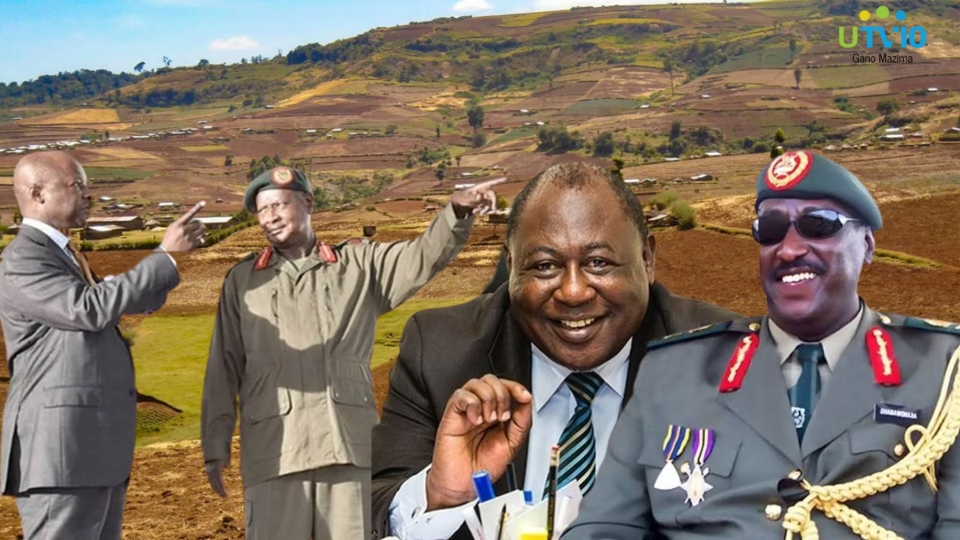
The controversy also comes amid General Salim Saleh’s proposal for consociational democracy, developed with Professor Ogenga Otunnu. The proposal seeks a more inclusive political arrangement involving government, opposition parties, cultural institutions and other stakeholders to address political exclusion, sectarianism and regional inequalities.
Its proposed National Consociational Council and broader national dialogue could provide an opportunity to address Uganda’s longstanding political divisions. However, its success would depend on genuine participation, accountability and constitutional safeguards rather than simply distributing political positions among influential leaders.
More importantly, the debate raises questions about whether Uganda’s existing constitutional principles of equality, decentralisation and equitable development are being implemented. Communities in Karamoja, Northern Uganda, Eastern Uganda and other historically disadvantaged areas continue to raise concerns about poverty, inadequate infrastructure and unequal access to public services.
The central question is whether another political agreement can solve these challenges when the existing Constitution has not been fully implemented.
Ultimately, Uganda needs an arrangement that protects historical rights, respects cultural minorities, ensures fair regional development and strengthens democratic accountability. Can the country achieve genuine constitutional democracy when historical grievances remain unresolved and some regions continue to feel neglected?