

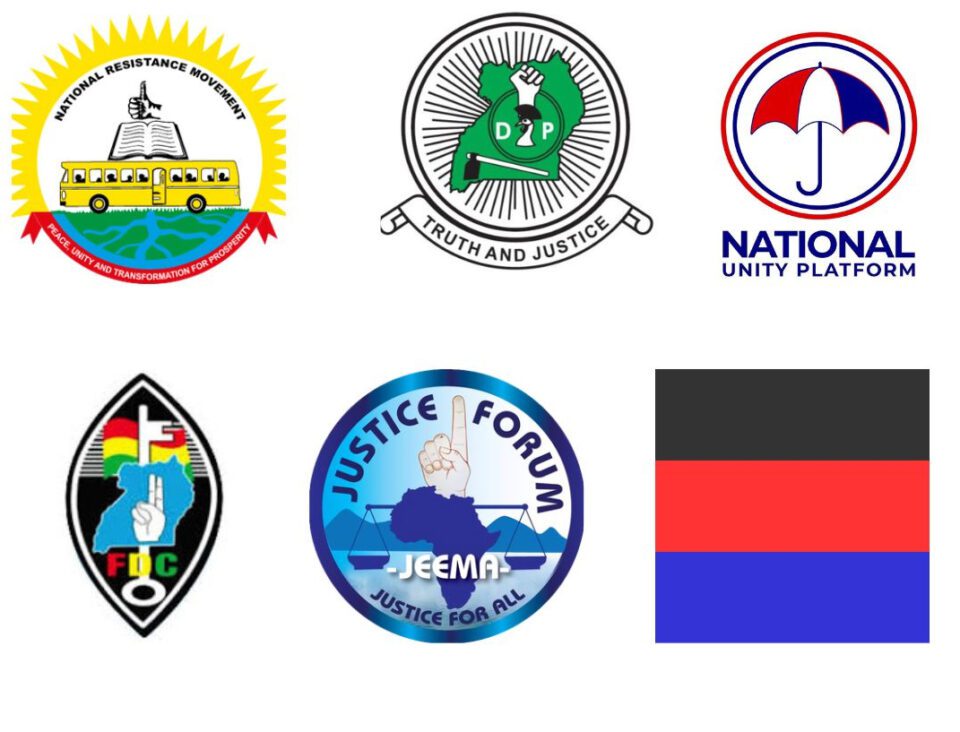
Political parties have long been a cornerstone of democracy, providing a platform for differing ideologies and giving voice to the various interests of the populace.
In Uganda, the reintroduction of political parties in 2005 after being governed by Yoweri Museven’s movement system from 1986, political parties brought about a new era of multi-party politics.
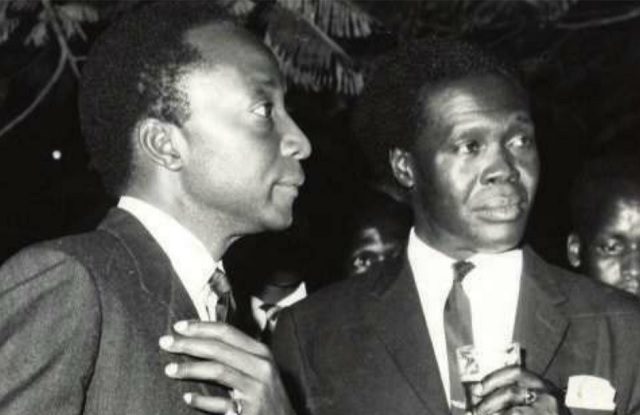
The first political parties to be introduced in Uganda were the then famous Uganda People’s Congress (UPC), Kabaka Yekka (KY), the Democratic Party and the Conservative Party (CP). These parties played a crucial role during their times in advocating for democracy.
Over the years, political parties have had both positive and negative impacts on Uganda’s political landscape. On one hand, they have provided a platform for competition and debate, allowing citizens to choose from a range of political options. This has led to a more vibrant and diverse political environment, with parties offering different policy proposals and visions for the country’s future.
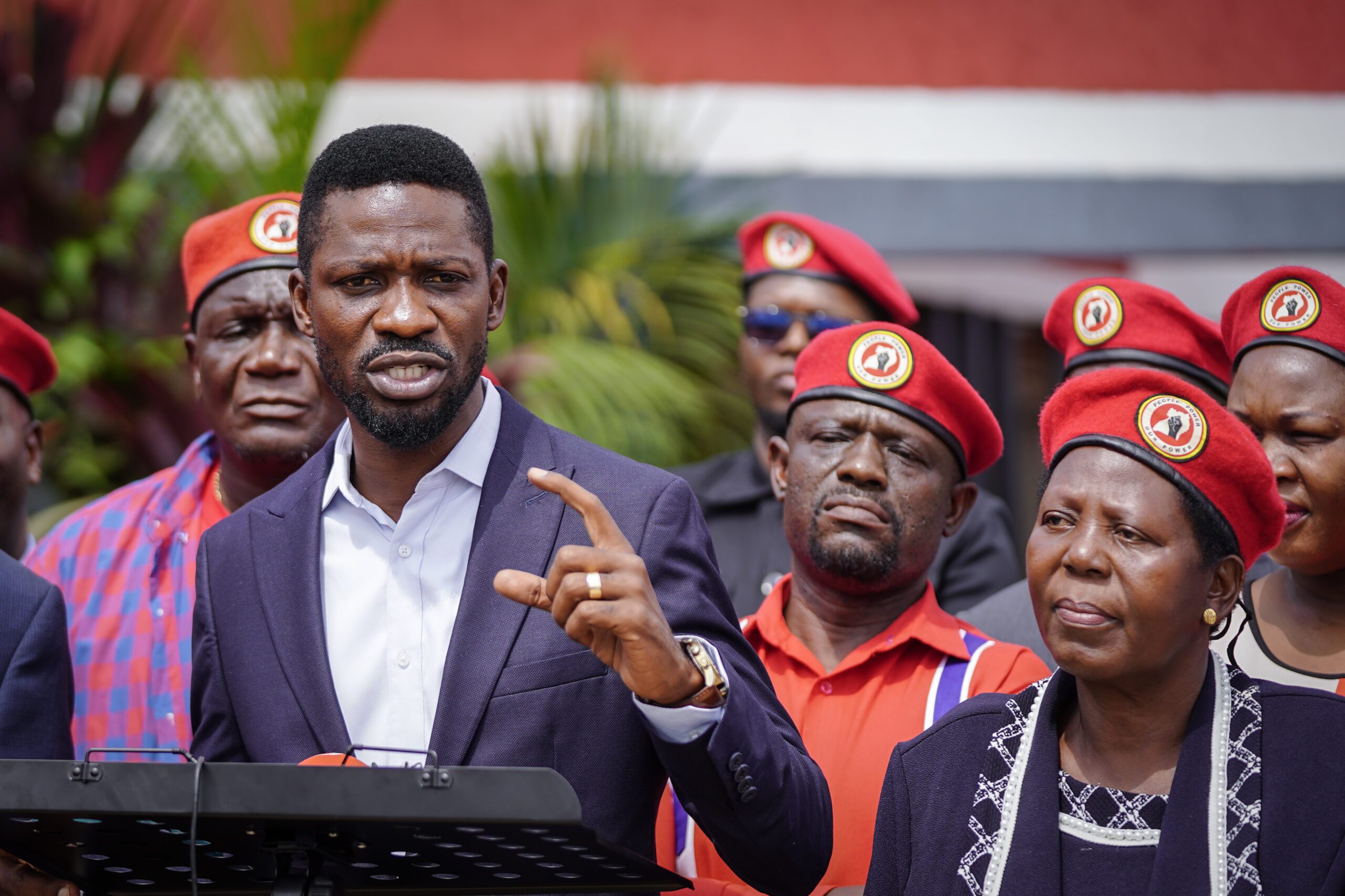
However, the effectiveness of political parties in Uganda has been marred by widespread corruption, violence, and lack of internal democracy. For example, the ruling NRM has been accused of using state resources to suppress opposition parties and manipulate elections, leading to allegations of electoral fraud and human rights abuses.
Similarly, opposition parties have been plagued by infighting and lack of coordination, making it difficult for them to present a united front against the NRM. This has resulted in a fragmented political landscape, with parties struggling to gain traction and challenge the ruling party’s dominance.
The list of political parties that have existed in Uganda is extensive, including parties such as the Justice Forum (JEEMA), Forum for Democratic Change (FDC), and Uganda Federal Alliance (UFA), among others. Each party has had its moment in the spotlight, only to fade away as political fortunes shifted.
Despite the challenges facing political parties in Uganda, they continue to play a crucial role in shaping the country’s democratic future. As the 2026 general elections approach, it is clear that political parties will continue to be a key battleground for competing visions of Uganda’s development and progress.
In conclusion, while political parties have made significant contributions to Uganda’s democracy, there is still much work to be done to ensure that they are truly representatives of the people’s interests. Only through a commitment to accountability, transparency, and inclusivity can political parties fulfil their promise of advancing democracy and building a better future for all Ugandans.
ADVERTISEMENT


1 comment
This is actually very true. Thank you guys.