
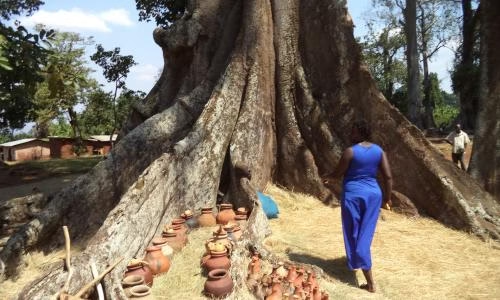
The Nakayima Tree is a historic and culturally significant tree located in Mubende District, Uganda. It’s a sacred tree revered by the local community, particularly the Baganda and Basoga people.
Cultural Significance
- Spiritual significance: The Nakayima Tree is believed to be the dwelling place of the spirits of the Baganda and Basoga ancestors.
- Traditional rituals: The tree is used for traditional rituals, ceremonies, and prayers.
- Cultural heritage: The Nakayima Tree is a symbol of the rich cultural heritage of the Baganda and Basoga people.
Historical Significance
- Ancient worship site: The tree has been a worship site for centuries, dating back to the pre-colonial era.
- Connection to the Bachwezi: The Nakayima Tree is believed to be connected to the Bachwezi, a group of ancient rulers and gods in Ugandan mythology.
Conservation Efforts
- Protected area: The Nakayima Tree is located within a protected area, ensuring its preservation for future generations.
- Community involvement: The local community is involved in the conservation and management of the tree, ensuring its cultural significance is respected.
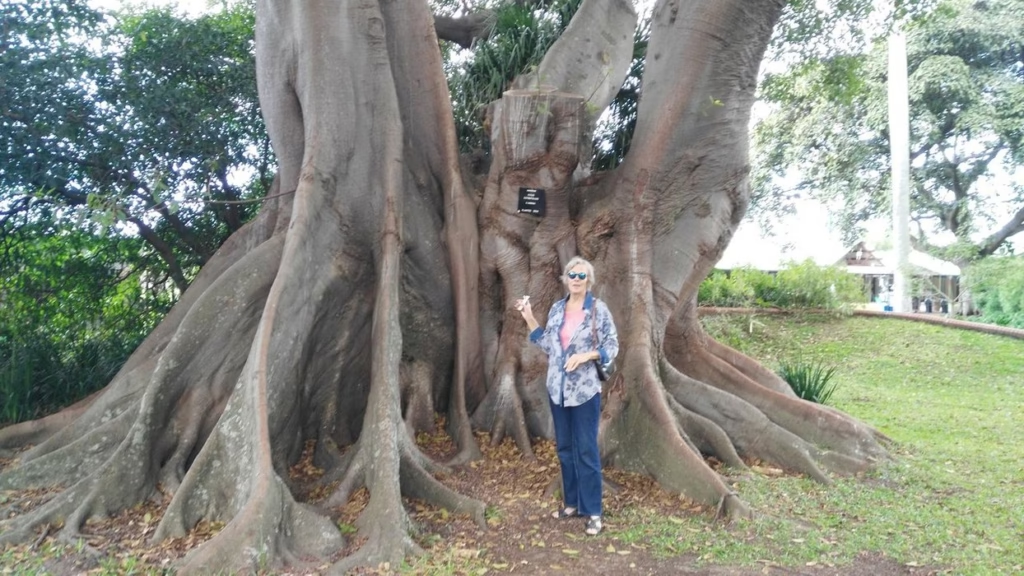
The Nakayima Tree is a unique and fascinating piece of Ugandan history and culture, and its preservation is essential for maintaining the country’s rich heritage.
Nakayima Culture refers to the traditional practices, customs, and beliefs surrounding the Nakayima Tree, a sacred site in Mubende District, Uganda. Here are some aspects of Nakayima Culture:
Traditional Practices
- Spiritual rituals: The Nakayima Tree is believed to be inhabited by spirits of ancestors, and traditional rituals are performed to appease these spirits.
- Prayers and offerings: Locals offer prayers, food, and drinks to the spirits, seeking blessings, protection, and guidance.
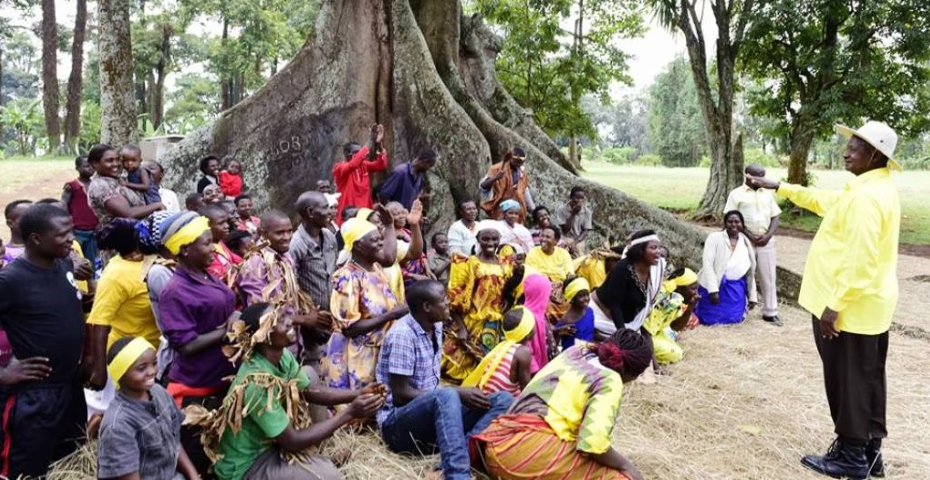
- Cultural ceremonies: The Nakayima Tree is a venue for cultural ceremonies, such as initiation rites, weddings, and harvest celebrations.
Customs and Beliefs
- Ancestor worship: The Nakayima Tree is a symbol of ancestor worship, where locals believe that their ancestors’ spirits reside in the tree.
- Spiritual healing: The tree is believed to possess spiritual healing powers, and locals visit the site seeking healing and protection.
- Cultural identity: Nakayima Culture is an essential part of the local community’s cultural identity, connecting them to their ancestors and heritage.
Preservation and Promotion
- Community involvement: The local community is actively involved in preserving and promoting Nakayima Culture.
- Cultural tourism: Efforts are being made to develop cultural tourism initiatives, allowing visitors to experience and learn about Nakayima Culture.
- Documentation and research: Researchers and scholars are documenting and studying Nakayima Culture to ensure its preservation for future generations.
Nakayima Culture is a unique and valuable part of Uganda’s cultural heritage, and efforts are being made to preserve and promote it for future generations.