

Uganda’s investment in Kiira Motors Corporation is facing renewed scrutiny following revelations that the government-funded vehicle manufacturer received more than Shs67 billion in the 2024/2025 financial year but completed only five out of 30 vehicles planned for production. The figures have raised a fundamental question: Is the money being invested in Kiira Motors translating into the production capacity, commercial returns and industrial transformation that Ugandans were promised?
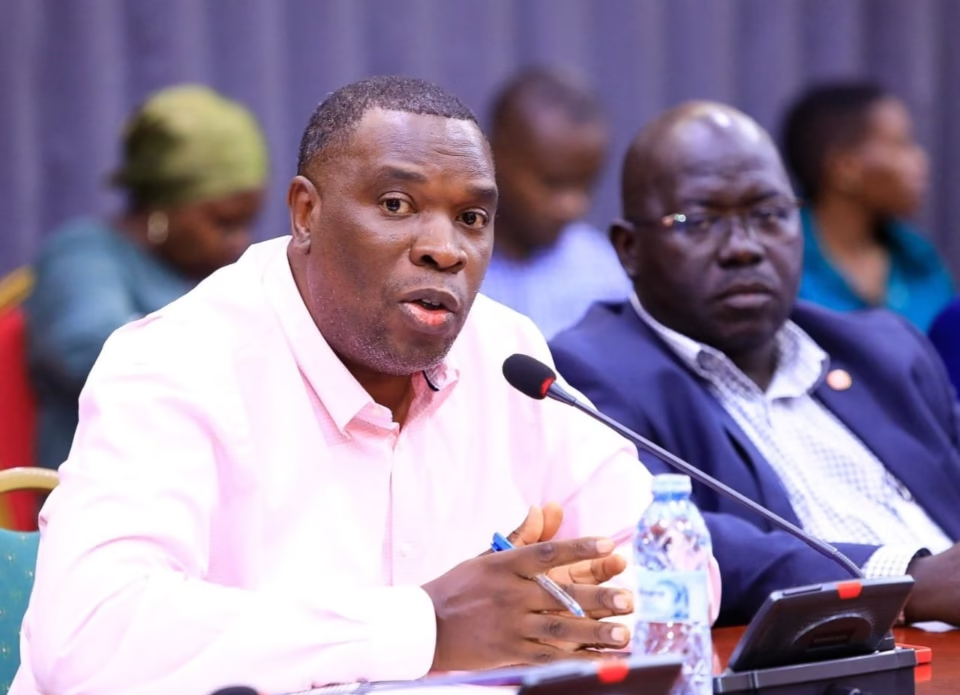
The concerns emerged during a parliamentary committee hearing where the Committee on Statutory Authorities and State Enterprises (COSASE), chaired by Muwada Nkunyingi, questioned the company’s production performance, expenditure, staffing costs, local content claims and accountability for its buses.
At the centre of the debate is the gap between the financial resources committed to the company and the actual production figures. Kiira Motors reportedly received more than Shs67 billion from government in 2024/2025, yet managed to complete only five of the 30 vehicles targeted for that period.
Chief Executive Officer Paul Isaac Musasizi attributed the low production to delays in setting up the factory, staff training and the timing of funding, which reportedly affected the availability of materials. He explained that the 30 vehicles were also intended to train the production line.
However, these explanations raise another important question: If the government has already invested billions of shillings in establishing a national vehicle manufacturing industry, why is the factory still struggling to achieve the production levels expected of it?
While factory establishment, technology acquisition and workforce training are important stages in developing a domestic automotive industry, Parliament must establish how long taxpayers should continue financing these activities before the company begins delivering measurable production results.
Shs67 Billion for Five Buses Is Kiira Motors Delivering Value for Public Investment
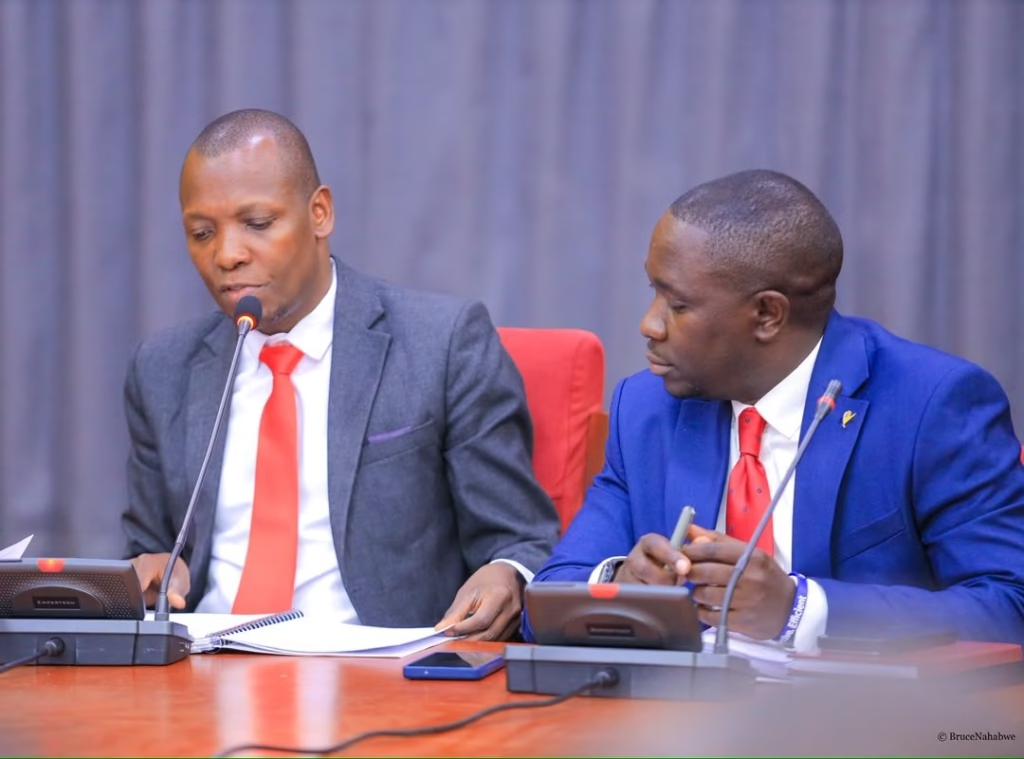
During the hearing, MPs questioned Kiira Motors over a reported Shs15 billion staff bill against revenue of approximately Shs5.4 billion in the 2024/2025 financial year. Musasizi explained that the expenditure covered 269 employees, including salaries and statutory contributions.
COSASE questioned whether such a substantial wage bill was justified by the company’s current level of production and revenue generation. Nkunyingi requested a breakdown of the employees, their names and salaries to establish how the company’s human-resource expenditure contributes to its performance.
This raises questions about the company’s operational efficiency, management priorities and the relationship between the size of its workforce and the actual number of vehicles being produced.
Another issue concerns Kiira Motors’ claim that 21 per cent of the value of its vehicles is created locally through materials, labour, design and engineering.
Musasizi told the committee that the company uses a detailed costing model to calculate local value and is working with Ugandan suppliers towards achieving a 65 per cent local-content target.
However, Nkunyingi questioned how the 21 per cent figure had been calculated, raising the need for independent verification of what Uganda is actually contributing to the manufacturing process.
For a company established to promote local industrialisation, technology transfer, employment and domestic manufacturing capacity, the extent of local content is particularly important.
Ugandans need to understand whether the country is developing a genuine vehicle manufacturing industry or primarily assembling vehicles using imported components, with local participation concentrated in labour and selected services.
The distinction matters because the long-term economic benefits of manufacturing depend on how much value remains within the country through local suppliers, engineering, technology, skills development and component production.
Questions were also raised about the company’s overall bus production and deployment records.
Musasizi told COSASE that Kiira Motors had produced 115 buses, including 46 operating under the E-Bus Xpress fleet. However, he acknowledged that he did not have the complete deployment records during the hearing.
He offered to submit the records, explaining that some buses had been sold or leased. The committee chairperson requested an account of the remaining 69 buses.
This is an important accountability issue because producing buses is not necessarily the same as successfully commercialising them.
Parliament and the public need to know how many buses are operational, how many have been sold, how many have been leased, how many remain unused and how much revenue the company has generated from these transactions.
Without a clear account of the vehicles, their deployment and the income they generate, it becomes difficult to measure whether the investment is producing sustainable economic returns.
The committee also examined the ownership structure of E-Bus Xpress, Kiira Motors’ bus subsidiary.
Musasizi told MPs that Kiira Motors owns 99 per cent of the subsidiary, while the remaining one per cent is held by Professor Sandy Stevens Tickodri-Togboa, identified during the hearing as the second shareholder.
Nkunyingi questioned the arrangement, warning against a situation in which a government-backed project could end up being owned in personal names without sufficient institutional safeguards.
Musasizi responded that the arrangement had been authorised through a resolution and was asked to provide supporting documentation.
The matter raises questions about corporate governance, the protection of public investment and the legal arrangements governing companies established using government resources.
Beyond the individual financial and administrative concerns, the Kiira Motors hearing brings Uganda’s broader industrialisation ambitions into focus.
The company was presented as a major step towards building a domestic automotive industry, creating employment, developing local engineering capacity, reducing dependence on imported vehicles and positioning Uganda as a manufacturer of buses and other vehicles.
Those ambitions are significant and deserve support. However, public investment must also be accompanied by measurable results, transparency and clear performance targets.
Receiving more than Shs67 billion in one financial year while completing only five of 30 targeted vehicles inevitably raises questions about planning, implementation and the company’s ability to convert government funding into actual production.
The explanation that the factory was still being prepared for production may account for some of the delays, but it also raises questions about whether the government released substantial funding before the company had developed the necessary infrastructure, production systems and supply chains.
If the factory was not ready, what milestones were used to justify the release of the money? Were the production targets realistic? Were the delays anticipated in the original business plan? And who is responsible for ensuring that the resources allocated produce the results promised?
COSASE’s decision to inspect the factory and examine the company’s local-content claims is therefore significant. The inspection should establish the actual state of production, the capacity of the factory, the equipment acquired, the workforce employed and the extent to which public funding has translated into productive assets.
Ultimately, the question is not simply whether Kiira Motors has produced buses. It is whether the scale of production, revenue, employment, local value addition and commercial performance justify the billions of shillings invested by government.
Uganda cannot measure the success of its national vehicle manufacturing ambition solely through announcements, production targets or the number of vehicles displayed at public events.
The real test must be the number of vehicles manufactured, their affordability, their performance, their commercial uptake, the jobs and local industries they support, and the revenue they generate.
As COSASE continues its scrutiny, Ugandans deserve clear answers on whether Kiira Motors is becoming the industrial success story it was presented to be or whether the country is continuing to finance an ambitious project whose actual returns have yet to match the expectations placed upon it.