

Uganda’s gold sector has been changing quickly, and for many people watching the industry, it feels like the country is entering a new phase of mineral development.
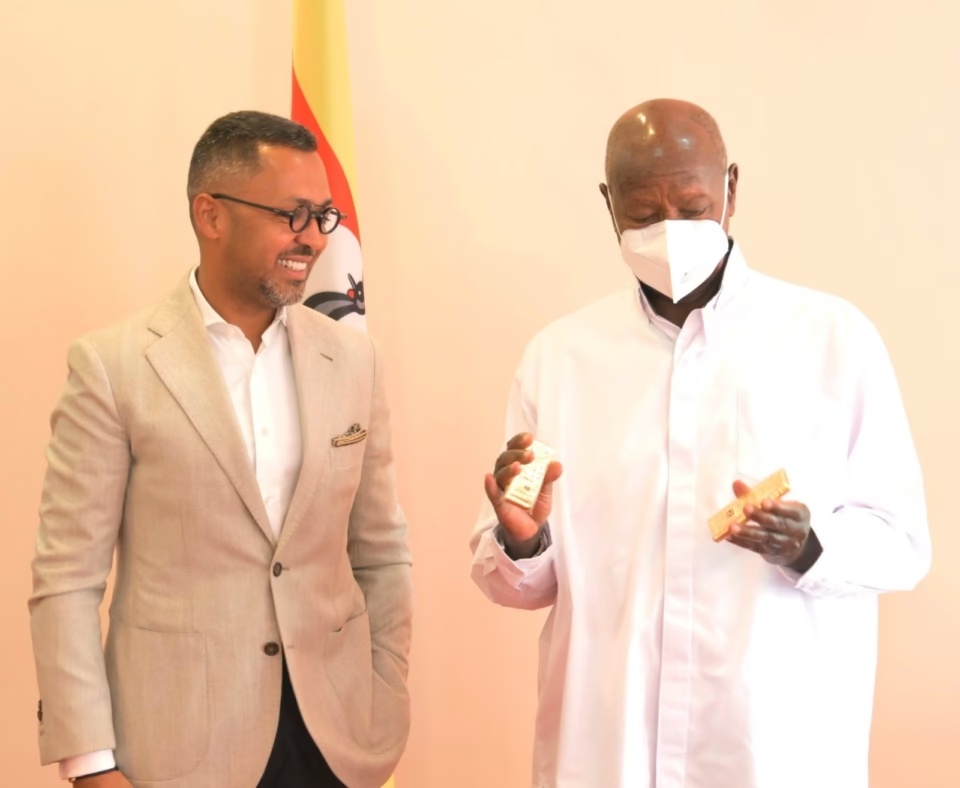
In a recent post that accompanied a photograph, President Yoweri Museveni shared his experience visiting a gold refinery in Kampala, where he was pictured with Mr. Cohen Carlos, the owner of Feldstein Co. Ltd.
In the message, he described how the refinery processes Uganda’s gold into bars of very high purity—about 99.9%. He also mentioned that gold prices have been fluctuating, reportedly reaching around USD 173,000 per kilogram at one point before dropping to about USD 129,000, which he attributed to global tensions affecting markets.
He further noted that the gold in the photo—about 1.5 kilograms—was sourced from Ibanda, and added that Mr. Cohen is expanding operations with another refinery being built in Morulem, Abim. These kinds of developments, he suggested, are part of a wider push to grow Uganda’s capacity to process its own minerals instead of exporting them in raw form.
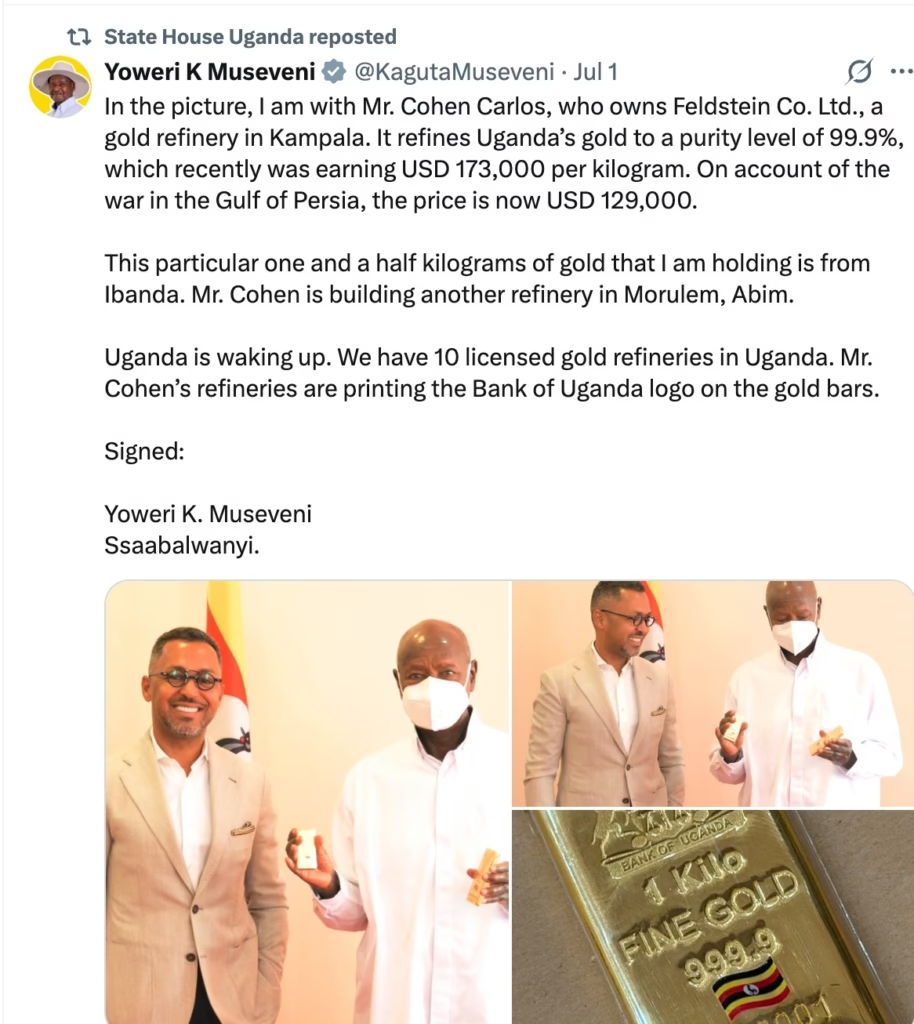
According to his remarks, Uganda now has about 10 licensed gold refineries. If that figure reflects the current reality, it would show how quickly the industry has grown in a relatively short time.
He also pointed out that some refineries are now producing gold bars stamped with the Bank of Uganda logo, which he presented as a sign of increasing formalization and confidence in the sector.
Behind all these details is a bigger picture: Uganda trying to position itself as more than just a source of raw gold. Supporters of this direction see it as a chance to create jobs, improve export earnings, and build a stronger industrial base.
Still, like any fast-growing sector, questions remain about regulation, sourcing, and how transparently the value chain is managed.
Museveni ended his remarks on an upbeat note, saying “Uganda is waking up,” reflecting a sense of optimism about where the country’s mineral wealth could lead in the years ahead.